
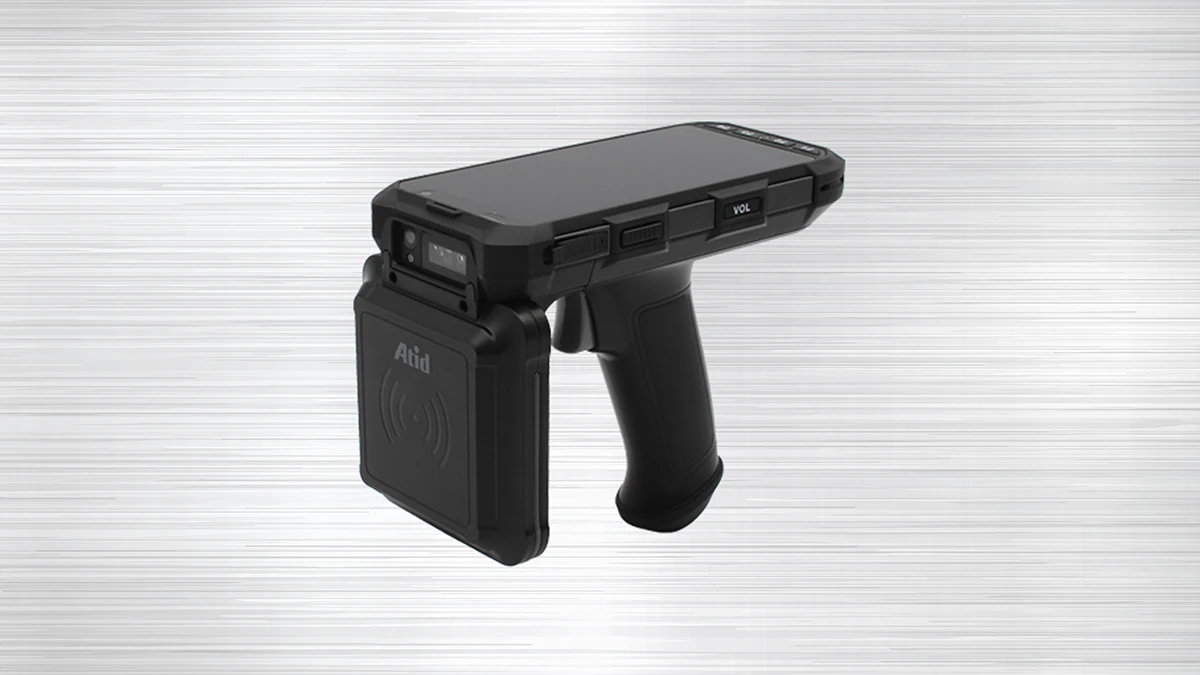
Choosing the right RFID handheld reader depends on matching the device’s read range, ruggedness (IP rating), battery life, and connectivity (Bluetooth/Wi-Fi) to your specific environment and application needs. Key differentiators include whether it is an all-in-one computer or a sled, its ability to handle interference (metal/liquids), and the availability of software development kits (SDKs). Here is how to compare and choose the right reader:
1. Key Performance Factors
- Read Range & Power: Choose a reader based on how far away you need to read tags. UHF handhelds can read up to 10-20 meters.
- Ruggedness (IP Rating): Choose a higher IP rating (e.g., IP65 or IP67) for dusty or wet environments. Warehouses often require rugged all-in-one units, while retail environments might prefer lighter, less rugged options.
- Battery Life: Ensure the battery lasts a full shift. Devices for high-intensity, continuous scanning should have high-capacity batteries.
- Data Capture Capabilities: Consider if you need a 2D barcode imager, camera, or NFC capabilities alongside UHF RFID.
2. Choose RFID Readers by Application
- Warehouses & Logistics: Need long-range, high-speed, rugged UHF readers for bulk inventory counts.
- Retail & Inventory Management: High accuracy, lighter weight, and ease of use are key, often with 2D barcode scanning.
- Asset Tracking/Maintenance: Rugged devices with long battery life, capable of handling outdoor conditions (rain, cold, heat).
3.RFID Sleds vs. All-in-One RFID HandheldsRFID Handheld Reader
- RFID Sleds: Connect via Bluetooth to a smartphone or mobile computer. They are generally more cost-effective if you already have mobile devices but are less durable and have limited read range..
- All-in-One Handhelds: A dedicated device with an internal reader. These are more robust, offer better ergonomics, and are generally better suited for intensive industrial scanning.
4. Compatibility and Future-Proofing
- Connectivity: Ensure the device supports Bluetooth or Wi-Fi for real-time integration with your system.
- SDK Availability: Ensure the vendor provides a robust software development kit for easy integration with your existing software.
- Frequency Compliance: Confirm the reader matches the RFID frequency of your region ( U.S. 902-928 MHz, Europe 865-868 MHz).
Introducing the AT909
For applications demanding exceptional range, durability, and a feature-rich platform, the AT909 all-in-one handheld reader is an ideal choice. The AT909 is a comprehensive solution, featuring a 2D engine that supports both 1D and 2D barcodes, a 13M pixel rear camera, and extensive connectivity options (WWAN, WLAN 802.11 a/b/g/n/ac, and Bluetooth 4.2). Its robust communication features and multiple slots (2x Sim, 2x PSAM, 1x TF) ensure you are always connected and ready to handle any task.
Download the AT909 Specification
Frequently Asked Questions
What is the primary trade-off when choosing between an RFID Sled and an All-in-One Handheld?
Sleds are generally more cost-effective if you already own mobile devices, but they are less durable and have lower read range. All-in-One Handhelds are dedicated, more robust devices that offer better ergonomics and are generally better suited for intensive industrial scanning.
What are the four key performance factors to consider when selecting an RFID reader?
The four key performance factors are Read Range & Power, Ruggedness (IP Rating), Battery Life, and Data Capture Capabilities (such as a 2D barcode imager, camera, or NFC capabilities alongside UHF RFID).
Why is it important to confirm Frequency Compliance before purchasing?
You must confirm that the reader matches the RFID frequency of your region (e.g., U.S. 902-928 MHz, Europe 865-868 MHz) to ensure regulatory compliance and proper operation.